Poverty Is the New Penthouse: The Weird Rise of Rich People LARPing as Broke
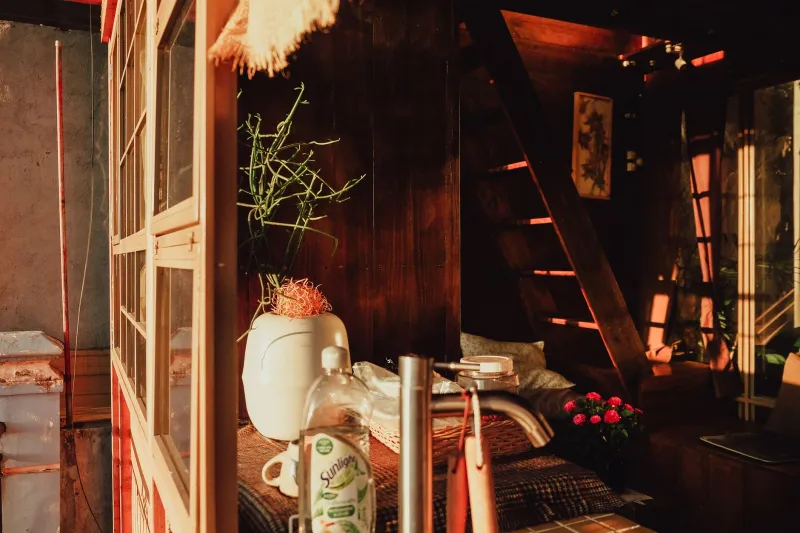
There's a video on TikTok right now of a woman in a $90 linen set showing you how she makes her own laundry detergent to 'fight the system.' Her kitchen has a La Cornue range in it. That's a $15,000 stove. She is not fighting the system. She is renting it out on Airbnb.
Welcome to the 2020s, where being rich is embarrassing and being broke is a brand. Where the ultimate status symbol isn't a Birkin bag — it's a mended sock, filmed in soft natural light, posted by someone whose parents own three rental properties in Scottsdale.
The Great Wealth Reversal
For most of American history, the whole point of money was that everybody could see it. The Gilded Age had its mansions. The '80s had shoulder pads and convertibles. The 2000s had MTV Cribs, for crying out loud. Rich people wanted you to know. That was the entire business model of being rich.
Then something flipped. Somewhere between the 2008 crash and the second Trump-era vibes shift, conspicuous consumption started reading as gauche — and eventually as morally suspect. The wealthy noticed. And they did what wealthy people always do: they adapted faster than everyone else.
Enter poorfishing — the performance of poverty, thrift, and 'de-influencing' by people who could buy the entire influencer economy and tip in cash. It's the reverse of the humblebrag. Instead of pretending your vacay was cheap, you pretend your whole life is a struggle. You film your tiny home. You brag about your $12 thrift haul. You post 'things I refuse to buy' lists from a kitchen that cost more than a Honda Civic.
The Aesthetic of Not Trying
Here's the thing that makes it genuinely fascinating and genuinely gross at the same time: the performance isn't lazy. It's a craft.
Poorfishing requires real production value. The chipped mugs have to be curated chipped mugs. The sourdough starter has to look casually neglected while being fed on a schedule. The 'we don't buy new things' ethos requires a camera setup, editing software, and hours of unpaid labor that actual broke people — the ones working two jobs — do not have.
That's the tell, always. Real frugality is exhausting and invisible. Performed frugality is lucrative and everywhere. The woman teaching you to mend your jeans isn't saving money; she's making it, off the fantasy that opting out of consumerism is a personality.
And look — de-influencing as a concept isn't evil. Pushing back against the 'buy this, need this, haul this' machine is arguably the only sane response to two decades of hyper-consumerism. But when the anti-consumption message becomes its own consumable product, we've hit peak irony: ads for not buying things, monetized.
Who's Actually Profiting From Your Guilt
Follow the money and the picture sharpens. The poorfishers aren't poor. They're selling a feeling to people who are.
If you're actually broke in America right now — rent eating half your paycheck, eggs priced like luxury goods — watching someone with generational wealth romanticize your hardship isn't comforting. It's a slap with extra steps. It tells you your reality is a vibe, an aesthetic someone else can try on for engagement and take off before dinner reservations.
The audiences are starting to notice. The comments sections on these videos have gotten bloodthirsty in the best way. 'Show us the house you actually live in.' 'Who pays your health insurance?' The parasocial trust that influencers spent a decade building is evaporating under the fluorescent light of one too many 'living on $30 a week' videos shot in million-dollar homes.
Authenticity in Reverse
The old hustle was faking wealth. The new hustle is faking its absence. Both are lies, but the second one is sneakier, because it wears the costume of virtue.
There's something almost admirable in its cynicism. Rich people spent centuries flexing. Now, faced with an audience that finds wealth distasteful, they simply... stopped flexing. They read the room and performed modesty the way their grandfathers performed success. The flexibility is impressive, honestly, if you can stomach it.
But here's the uncomfortable question the rest of us have to sit with: why does the performance work on us? Because some part of us wants to believe that simplicity is a choice available to everyone, that opting out is possible, that the person with the tiny home found something we haven't. The poorfishers aren't just exploiting our aesthetic preferences. They're exploiting our hope.
The Smell Test
Real struggle doesn't need a ring light. Real thrift doesn't have a content strategy. And the people actually living on the margins of the American economy don't get to make it their brand — they're too busy surviving it.
So the next time someone posts their 'no-buy year' from a renovated farmhouse, take a breath and ask the question that ends every poorfishing career: cool, but who paid for the farmhouse?
The rat has been smelled. The performance is over. And the most daring thing left in 2020s America might just be a rich person who admits it.