$75 to Stare at Strangers: Inside America's Discomfort Socials, Where Silence Is the Main Event
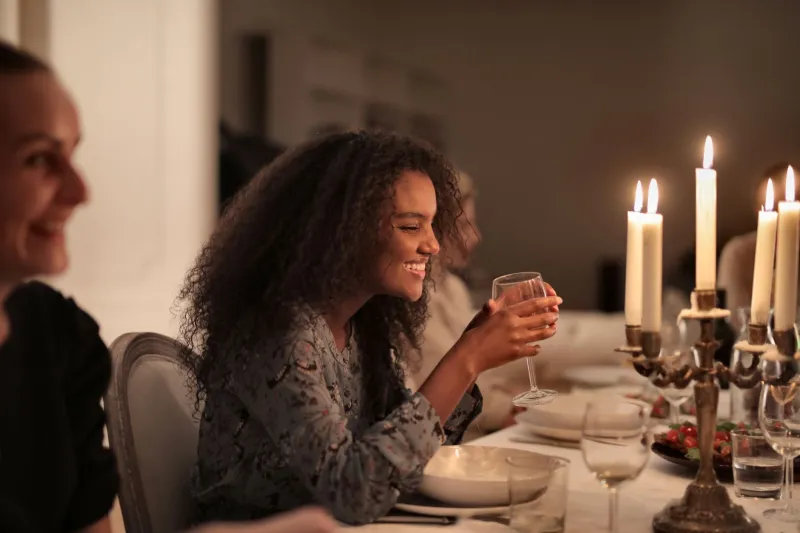
There's a dinner happening in Brooklyn next Thursday. Forty strangers, one long table, zero talking. It costs $75, the organizers ask you to surrender your phone at the door, and the entire selling point is that you will spend two hours doing absolutely nothing interesting.
It sold out in nine minutes.
Welcome to the discomfort social — the latest entry in America's long tradition of monetizing the things we used to do for free. Silent dinners in Los Angeles. Phone-free salons in Austin where conversation is structured like a séance. Workshops in Chicago that promise to teach you how to tolerate awkwardness, as if that's a skill and not just a Tuesday. The pitch isn't entertainment. The pitch is the absence of it. And people aren't just showing up — they're competing for seats.
We Ran Out of Stimulation, So Now Tedium Is a Treat
Here's the theory, and it's not a stupid one: when every waking moment is stuffed with content, notifications, podcasts, and group chats you resent, genuine boredom becomes scarce. And in America, scarcity equals value. We turned stillness into a luxury good the same way we did with silence, with sleep, with unplugged vacations. The empty calendar crowd already figured this out. The discomfort socials are just the next tier down — boredom for the middle class, priced like an appetizer and two drinks.
Think about what a night out used to be. You went somewhere loud, you drank something, you talked to people you'd never remember. It was imperfect and unoptimized and it worked. Then we spent fifteen years sanding the friction off everything. Dating became a spreadsheet. Conversation became content. Every hangout got documented, posted, and quietly graded. At some point, showing up to a room with no agenda started to feel transgressive.
So now transgression costs $75.
Is This Connection or Is This a Gimmick?
Look, I've been to one of these. A phone-free salon in a converted warehouse, dim lighting, a facilitator with a soft voice and avery deliberate pause. For the first twenty minutes, I wanted to crawl out of my skin. By hour two, something genuinely strange had happened: I was present. Not performing present — actually sitting in a room, noticing the people around me, having one unhurried conversation with a stranger about nothing important.
Was that worth $75? Economically, no. You could replicate it with a park bench and some willpower. But willpower is exactly the product. Nobody buys a gym membership because they can't afford a push-up. These events are paying someone else to hold the line — to create a container where checking out isn't an option, because you already checked in.
The skeptics have a point, though. There's something a little rich about outsourcing your ability to sit still, the same way there's something rich about hiring a joy consultant or a stranger to structure your fun. At a certain point, you have to ask whether you're building a tolerance to discomfort or just buying another subscription to it. If your capacity for boredom only exists inside a paid event, did you actually develop anything, or did you just add a line item?
The Real Tell Is Who's Not There
Here's what nobody running these events wants to talk about: the price tag is doing the filtering. A $75 silent dinner is not a cross-section of America. It's a specific demographic — urban, disposable income, already fluent in wellness-speak — purchasing an experience that their grandparents got for free every Sunday. The discomfort social isn't radical. It's luxury austerity, a boutique version of sitting on a porch.
And yet. And yet. I keep coming back to how full those rooms are, and how reluctant people are to leave. There's a hunger out there that none of the usual options are feeding — not the bars, not the apps, not the third places we keep mourning in think pieces. People don't actually want to be bored. They want to be unperformed. They want one hour where nobody is content, including themselves.
If it takes a facilitator, a warehouse, and an admission fee to get there, fine. That's not the ideal version. It's the training wheels. The hope is that some fraction of the people in those rooms walk out and realize the dinner table at home, phone in a drawer, costs nothing.
The rest will keep paying $75 to feel uncomfortable in rooms full of strangers. Honestly? There are worse ways to spend a Thursday.